

When people hear the words “gum disease,” they often think of bleeding gums or bad breath. What many don’t realize is that advanced periodontal disease can silently destroy the bone and supporting structures around teeth long before pain develops. By the time teeth begin to feel loose, significant damage may already have occurred.
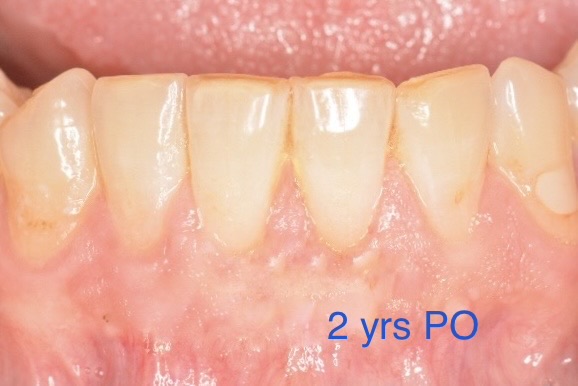
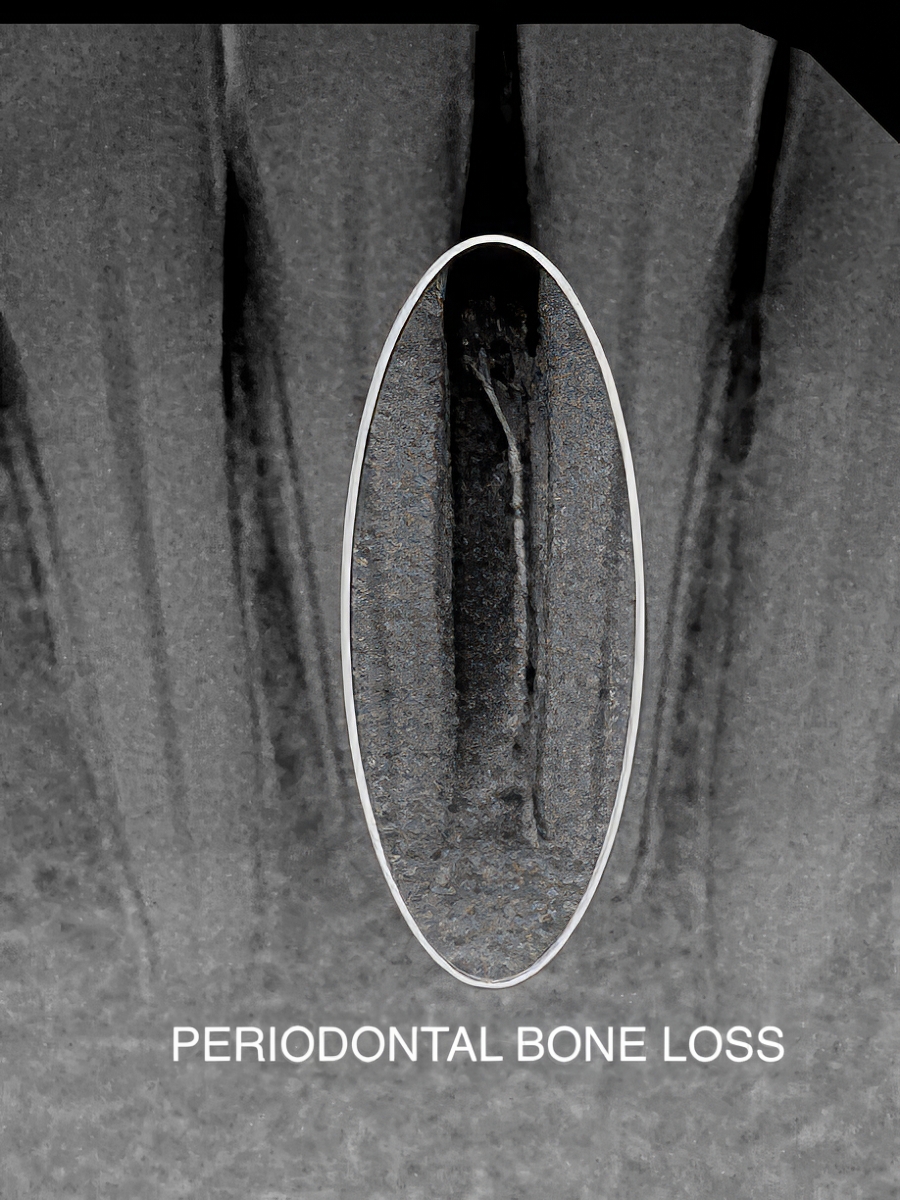
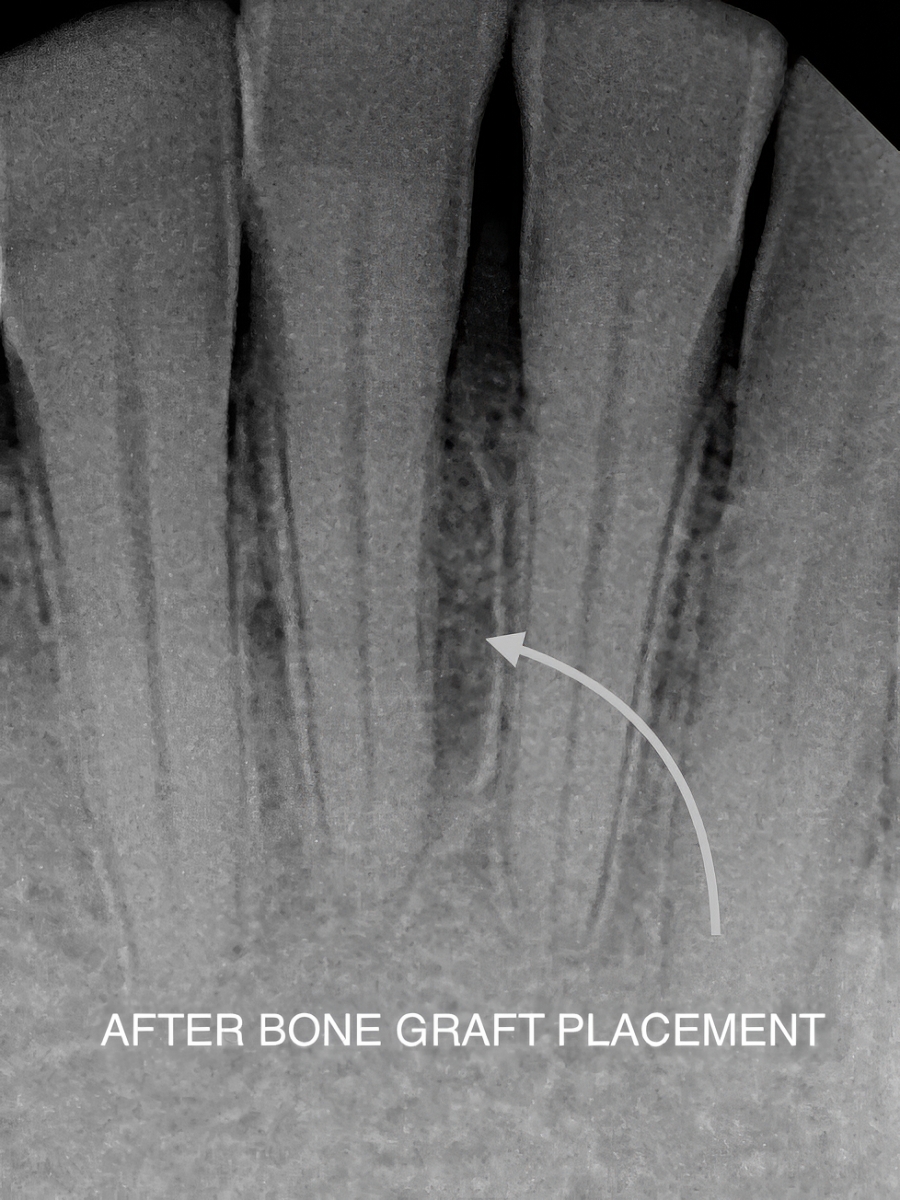
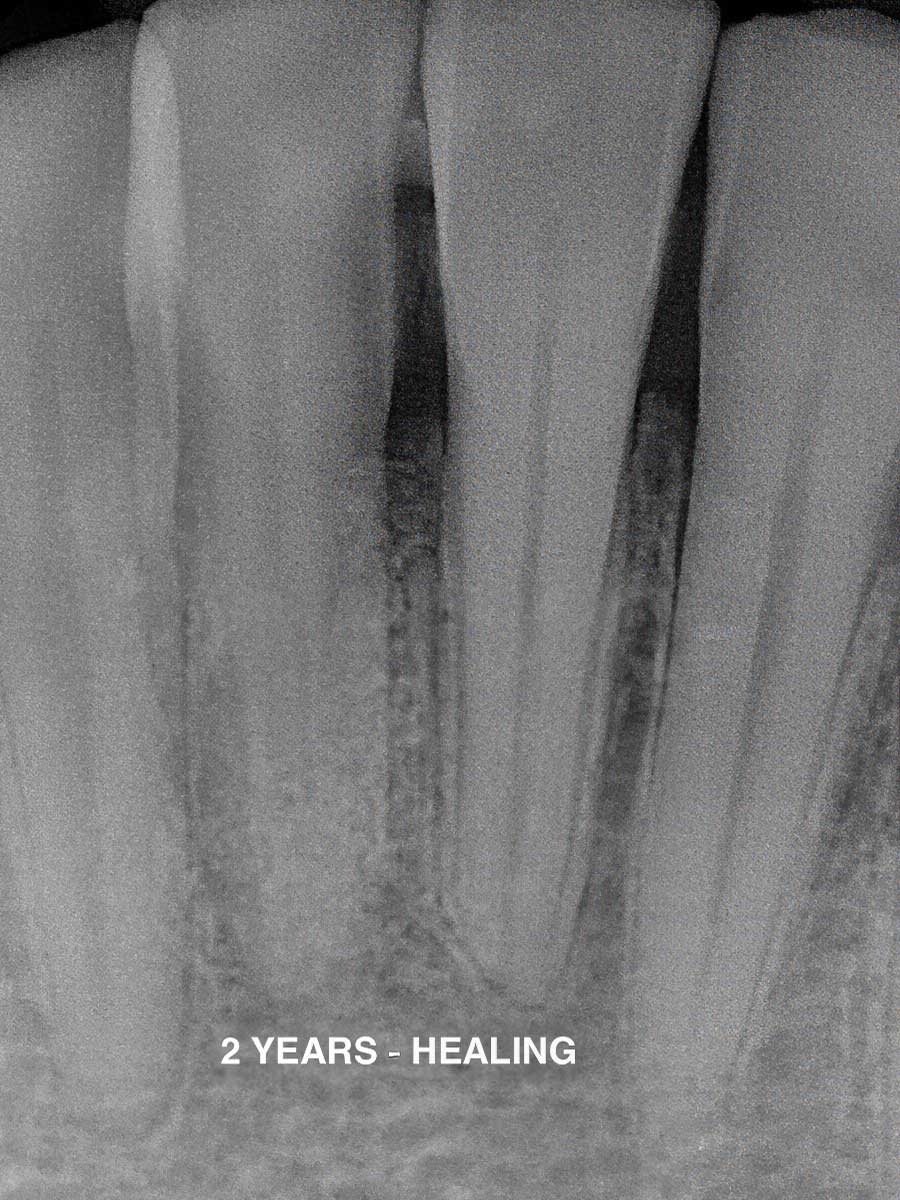
The encouraging news is that modern periodontal regenerative procedures can often help preserve teeth that may once have been considered hopeless. In many cases, with proper diagnosis, timing, and treatment, it is possible to regenerate lost supporting structures and dramatically improve the long-term prognosis of natural teeth.
At Portland Perio Implant Center, one of our primary goals is always to preserve and maintain natural dentition whenever realistically possible.
Understanding Periodontal Disease
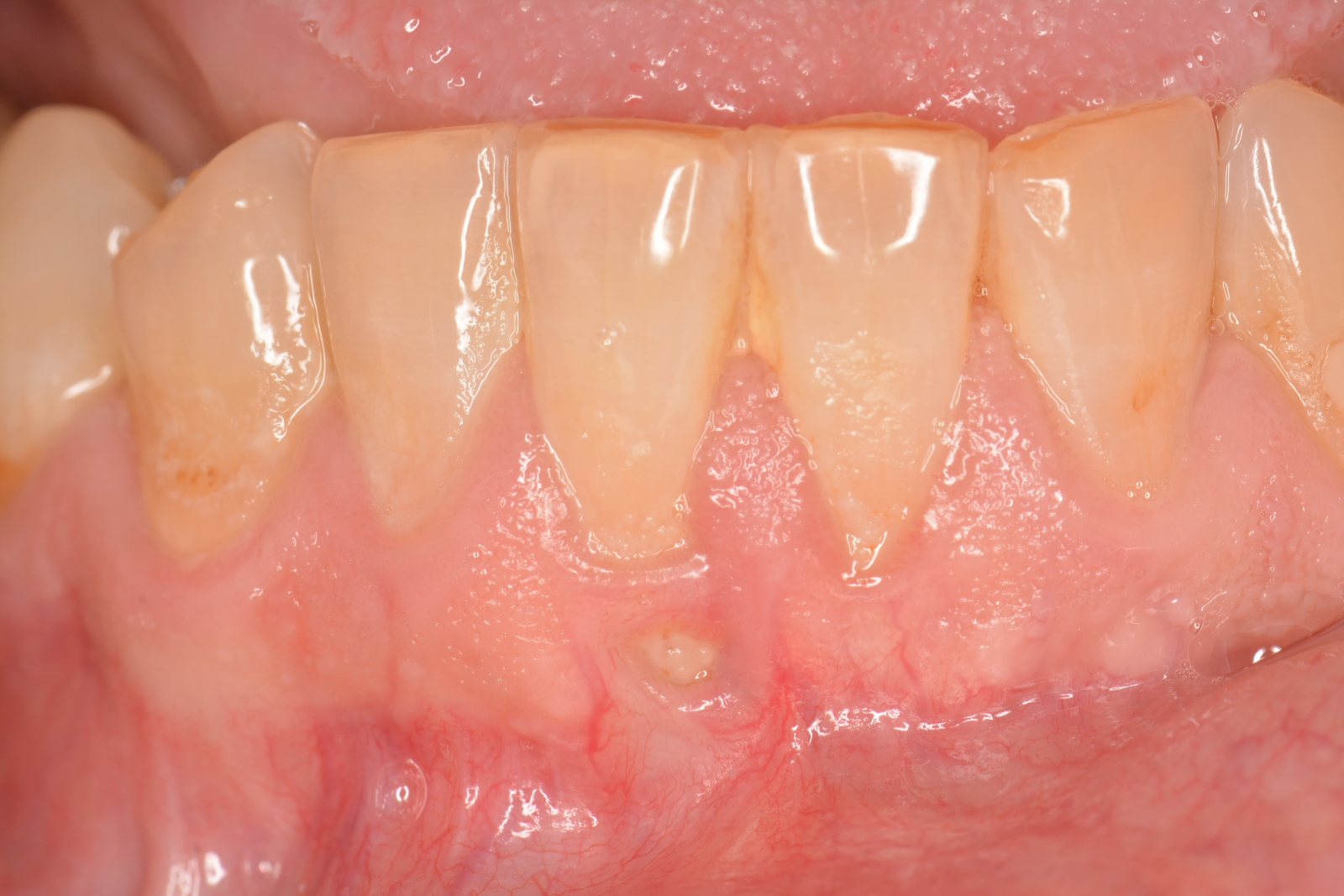
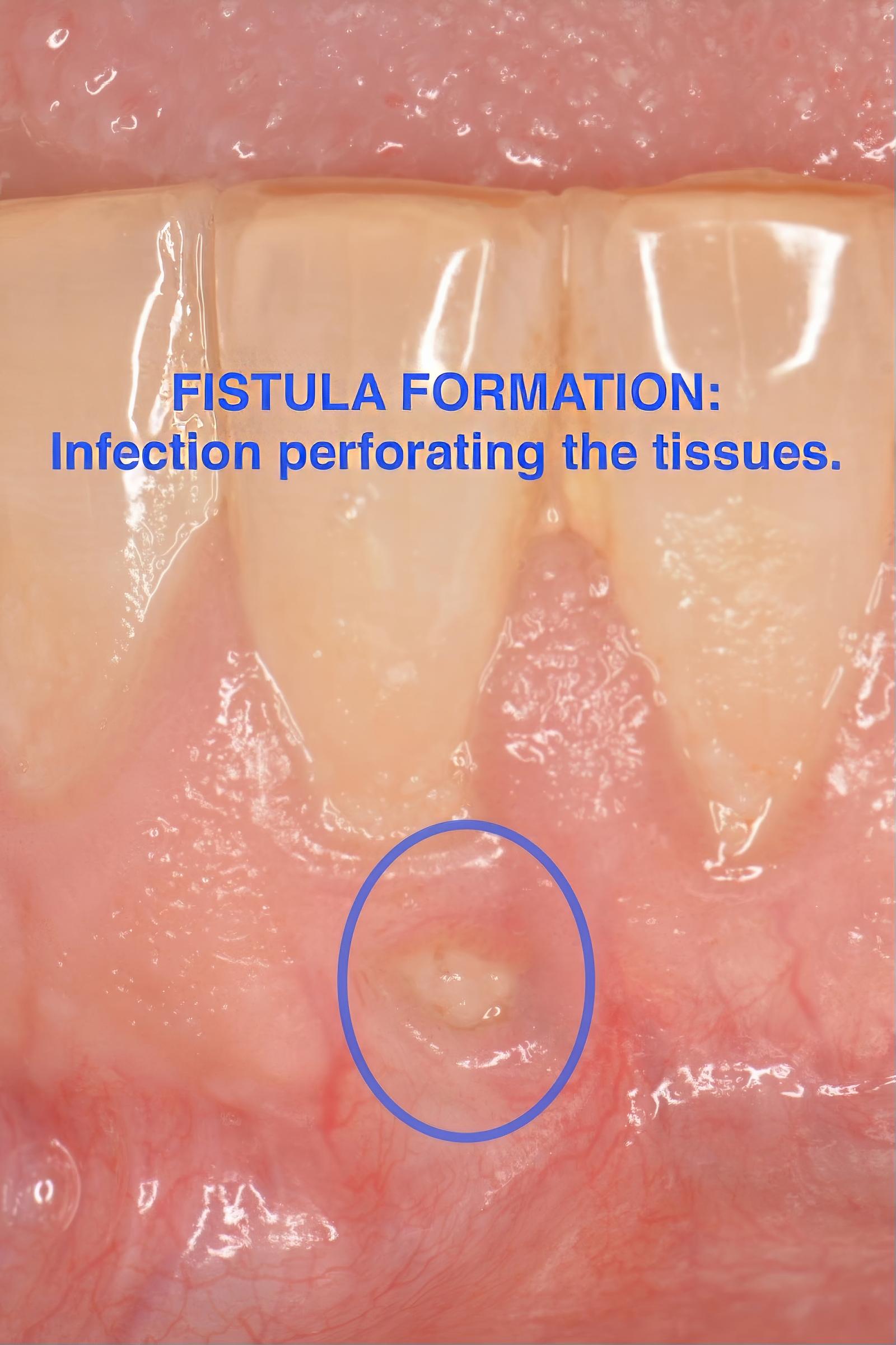
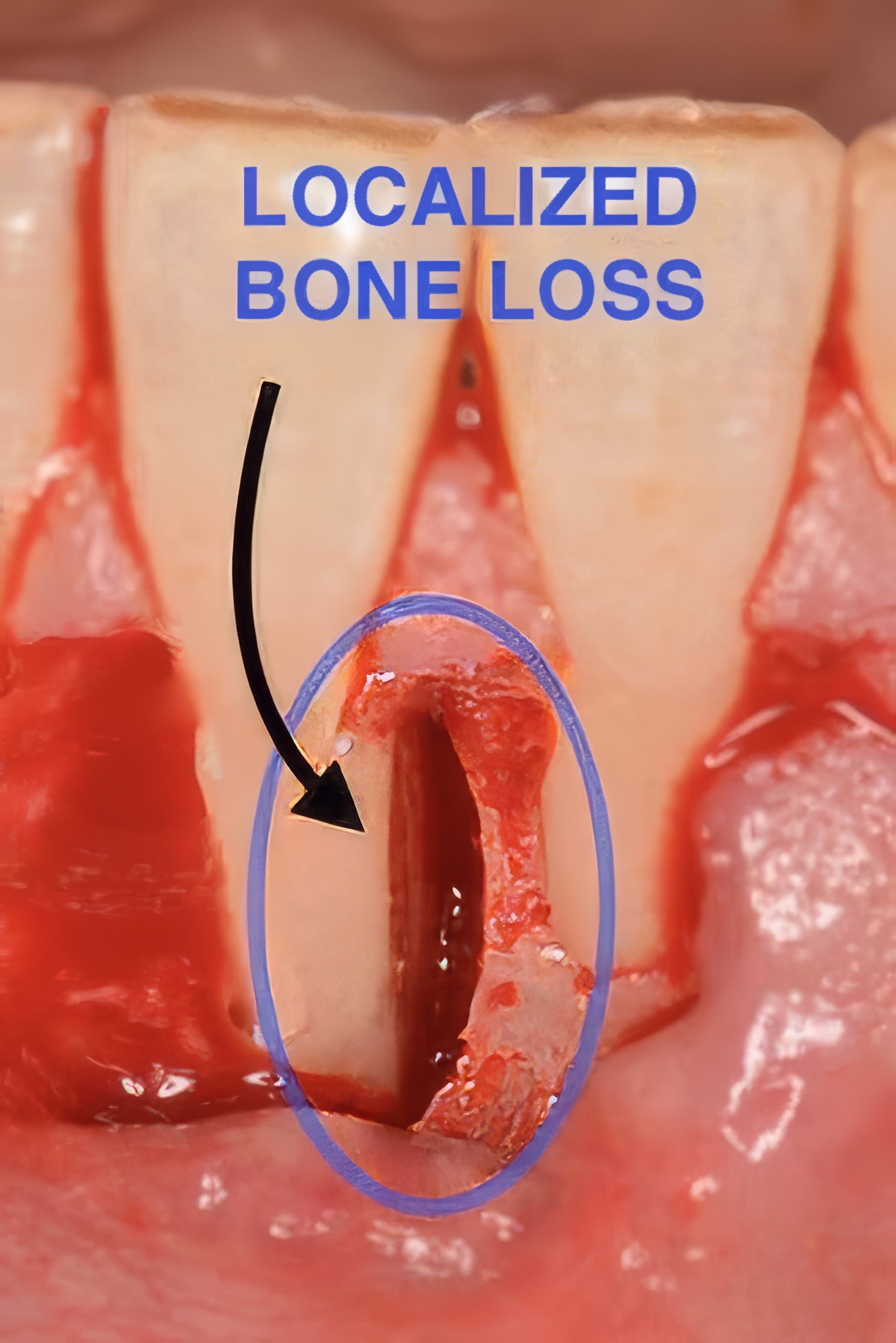
Periodontal disease (periodontitis) is a chronic inflammatory condition caused primarily by bacterial biofilm that accumulates around the teeth and below the gums. Over time, the body’s inflammatory response to this bacterial infection can lead to destruction of:
As the disease progresses, patients may notice:
Unfortunately, periodontal disease is often painless in its early and moderate stages, which is why many patients do not seek treatment until significant bone loss has already occurred.
Why Early Treatment Matters
The earlier periodontal disease is identified and treated, the better the long-term outlook.
Conventional non-surgical therapy such as scaling and root planing (deep cleaning), improved home care, and periodontal maintenance are often highly effective for mild to moderate disease. However, there are situations where non-surgical therapy alone may not be enough.
Signs that more advanced intervention may be necessary include:
This is where regenerative periodontal therapy may become an important option.
What is Periodontal Regeneration?
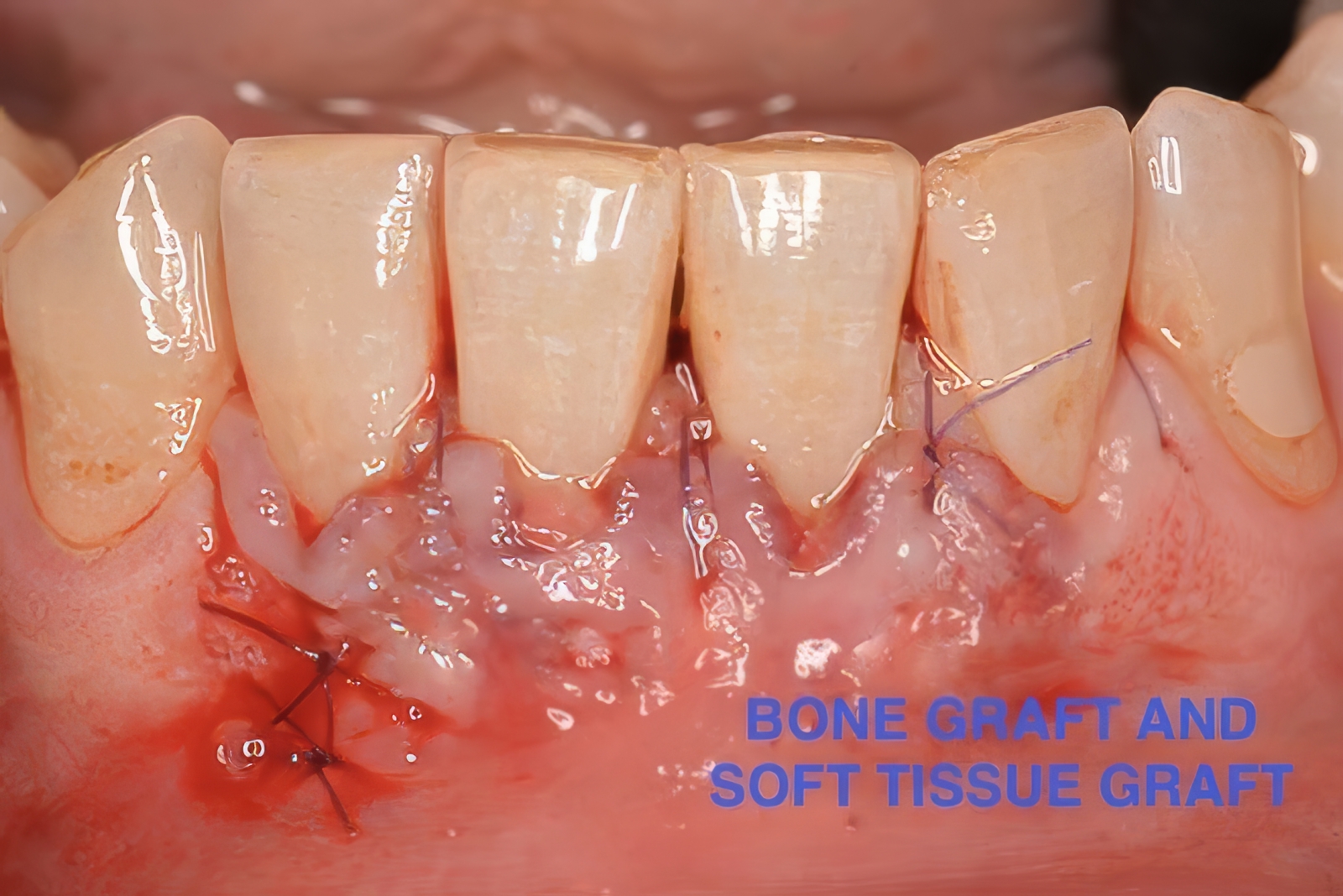
Periodontal regeneration is an advanced surgical procedure aimed at rebuilding the structures lost from periodontal disease — including bone, ligament attachment, and supporting tissues around the tooth.
Unlike traditional periodontal surgery that may simply reduce pockets and create easier-to-clean architecture, regenerative therapy attempts to biologically regenerate lost support around teeth.
The ideal candidates are often patients with:
Not every defect is regenerative, and outcomes depend heavily on defect anatomy, smoking status, systemic health, bacterial control, and patient compliance.
How the Procedure Works
The Role of Lasers in Periodontal Regeneration
Lasers have become an important adjunct in periodontal therapy when used appropriately and selectively.
It is important for patients to understand that lasers are not “magic wands” that regrow bone by themselves. Rather, when integrated properly into evidence-based periodontal therapy, certain laser wavelengths may provide meaningful biologic and clinical advantages.
Modern dual-wavelength laser systems can assist with:
For example:
When incorporated into comprehensive regenerative protocols, lasers may help create a cleaner biologic environment favorable for healing. However, successful regeneration still depends on proper diagnosis, surgical principles, defect morphology, patient compliance, and maintenance care.
At our office, laser therapy is viewed as one tool within a comprehensive evidence-based regenerative approach — not a replacement for sound periodontal surgical principles.
What Does the Research Show?
Periodontal regeneration has been extensively studied in the periodontal literature over several decades.
Systematic reviews and long-term studies have demonstrated meaningful improvements in:
Research involving regenerative treatment of intrabony defects has shown that appropriately selected defects can achieve several millimeters of clinical attachment gain and substantial reduction in periodontal pocket depth.
Studies evaluating enamel matrix derivatives and guided tissue regeneration techniques have demonstrated favorable outcomes in many regenerative defects compared with conventional surgical therapy alone.
Importantly, research also shows that defect morphology matters significantly. Deep vertical defects with remaining bony walls tend to respond far more favorably than shallow horizontal bone loss patterns.
Long-term success additionally depends on:
Can Teeth Really Be Saved?
In many situations — yes.
Teeth that may initially appear questionable can sometimes remain functional and comfortable for many years following successful regenerative therapy and ongoing maintenance.
However, not every tooth can or should be saved. Some cases may involve:
The key is obtaining an early periodontal evaluation before the disease progresses beyond the point where regeneration is realistically achievable.
Maintenance Is Critical
One of the most important aspects of regenerative treatment happens after surgery. Even the most advanced regenerative procedure can fail without proper maintenance and plaque control.
Patients who undergo periodontal regeneration typically require:
Periodontal disease is a chronic condition. Successful treatment is often about long-term management and stability rather than a one-time “fix”.
Dont Wait Until Teeth Become Loose
Many patients assume that tooth loss is inevitable once periodontal disease becomes advanced. In reality, modern regenerative techniques have dramatically expanded our ability to preserve natural teeth.
If you have been told you have deep pockets, bone loss, gum disease, or teeth that may eventually require extraction, it may be worth seeking a periodontal evaluation sooner rather than later.
Early intervention can make a tremendous difference in what treatment options remain available.
Natural teeth are biologically remarkable structures, and whenever possible, preserving them is often worth the effort.


